Sure, it supports reports, answers some questions, and keeps the business moving. But it also has potential to be more: a product, a customer experience, a partner offering, or a new source of revenue.
That’s the potential we’re tapping into this issue: how to stop treating data monetization like a “someday project” and start looking at what your data could be worth.
Below you'll find:
📖 Our Recommended Read: Your data has revenue potential
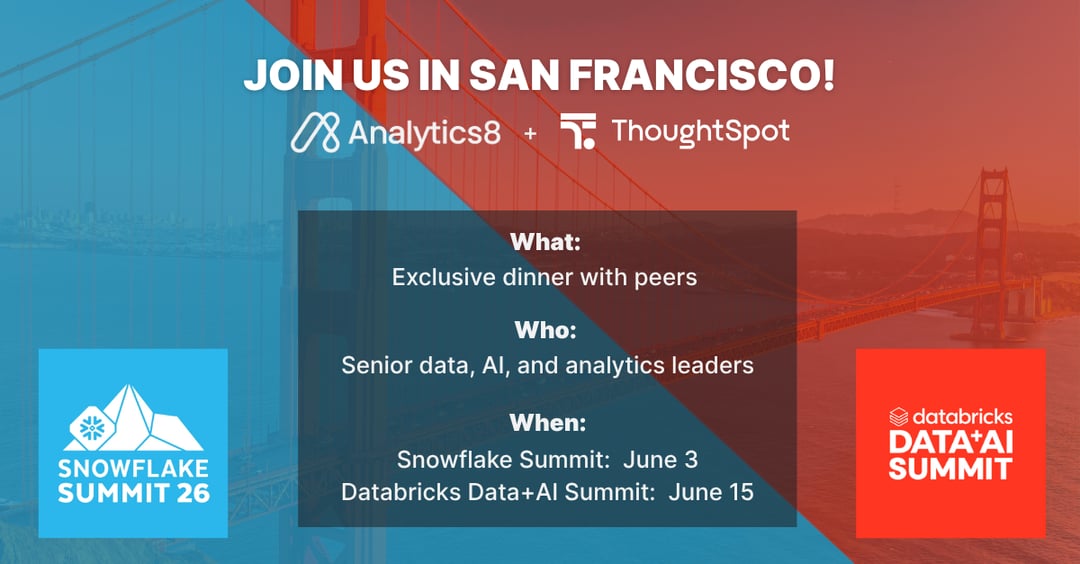
🔥 Hot Topic: It’s conference season, and we want to have dinner with YOU in San Fran!
🛠️ Emerging Tech Insights:Databricks’ BI-to-Genie bridge; Snowflake’s dbt Fusion update; ThoughtSpot adds industry context, and Sigma puts governance at the center of AI app building
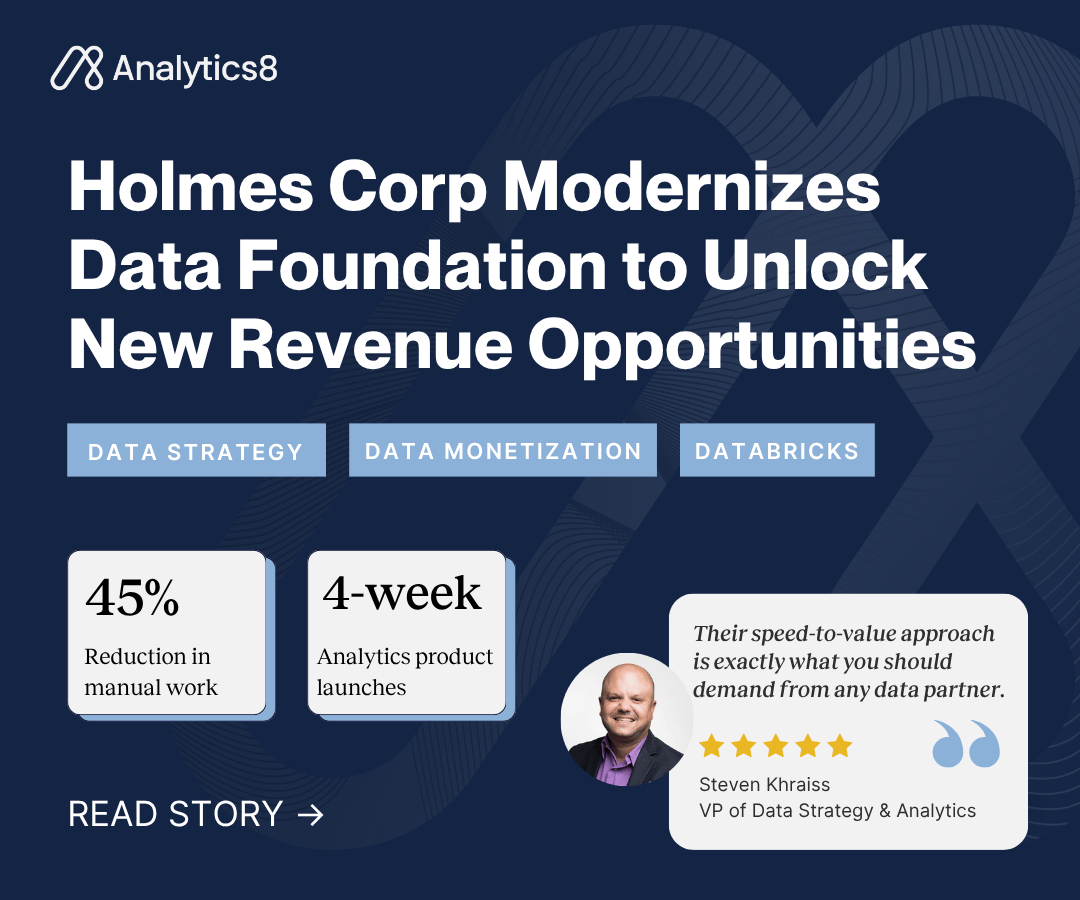
📍 From the Field: When data becomes the product
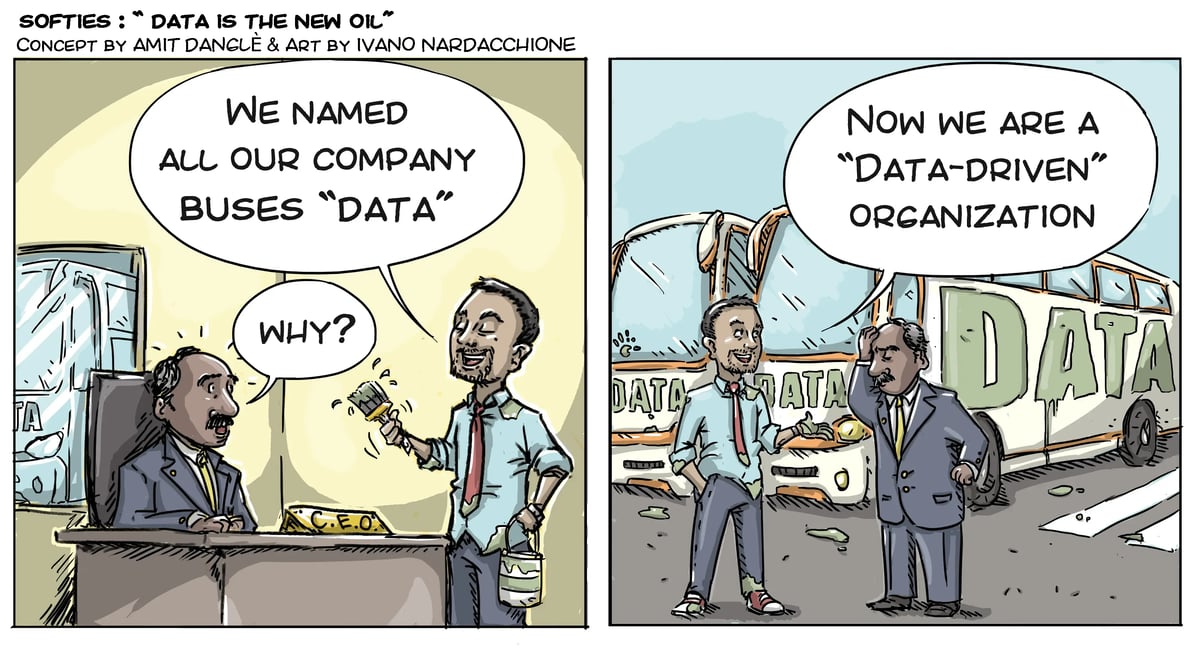
😂 LOL Moment: When 'data-driven' skips the strategy part
If this is something you've considered - or even started and abandoned because the complexity felt too high - it's time to revisit data monetization as part of your business strategy.
Successful monetization still requires intentional planning, but modern data and AI platforms have dramatically lowered the technical barriers.What once required massive custom infrastructure is now far more accessible… as long as you have valuable data assets and strong customer relationships.
Here's what's inside:
How the data and AI investments you're making are actually setting you up to monetize your data
Use cases: the different ways you could realistically monetize data, from data products to embedded analytics
The six prerequisites that move monetization efforts from 'interesting idea' to real $$
“Your data modernization investment and your data monetization strategy aren’t separate tracks. They’re the same path to turning data into measurable revenue.”
With both the Snowflake and Databricks summits around the corner, we’re looking forward to time spent connecting with customers and partners in San Francisco.
If you’ll be attending either event, join us and ThoughtSpot for an evening dinner with fellow data and analytics leaders. It will be a fun evening with the chance to learn where others are seeing success with agentic analytics:
The practical implication: This gives teams a more manageable path to modernize BI without rebuilding every dashboard from scratch. For organizations with a long tail of Tableau or Power BI assets, this could make BI modernization feel less like a rip-and-replace project and more like a phased move toward governed, natural-language analytics.
Snowflake brought dbt Fusion closer to the warehouse
The practical implication: For teams already centered on Snowflake, it could reduce some of the operational drag around version management, orchestration, deployment, and developer workflows. For those running dbt-heavy programs, this is a good prompt to look at the operating model around dbt, not just the tool itself.
ThoughtSpot is adding industry context to Spotter
ThoughtSpot launched Spotter for Industries, extending its agentic AI analyst with industry-specific context for sectors like Healthcare and Life Sciences, Retail and CPG, Financial Services, Technology, Supply Chain, and Media and Telecom. The goal is to help Spotter understand the terminology, workflows, regulations, KPIs, and data patterns that shape how different industries ask questions and make decisions.
The practical implication: This points to where AI-driven analytics needs to go next: more context, less generic output. The closer AI gets to industry-specific language, metrics, and decision logic, the more useful it becomes for teams trying to move from “interesting answer” to trusted action.
Sigma is putting governance at the center of AI app building
Sigma’s CEO made the case that AI-assisted app building is already happening inside companies, whether IT has approved it or not. Sigma’s position: the answer is not to block business users from building, but to make sure what they build runs on a trusted platform. The company frames that trust around four requirements: warehouse-centric and secure, no extracts, auditable, and governed.
The practical implication: As AI makes it easier for business users to build apps, workflows, and agents, governance can’t wait until the review stage. For Sigma customers, that means keeping AI-driven work tied to the governed data environment: permissions carry through, data stays in the warehouse, actions can be audited, and agents only access what each user is allowed to see.
From the Field
Monetization following modernization
Manual data work compounds fast and limits growth. Once our client took the initiative to modernize their data foundation and eliminate manual processes, an immediate monetization opportunity followed.